About Us

Our Expertise at the Heart of Valves, Pumps and Compressors

Contact Info

  • Pune, Maharashtra
  • info@abc.com
  • Week Days: 09.00 to 18.00
Raw Materials

We work with a group of highly specialized and qualified suppliers. The raw materials we buy
comply with the international sustainability guidelines and meet different specification needs
for different kinds of application as per customer demands.

1. STEELS

High-Performance Steel Alloys

Steel forms the foundation of our manufacturing capabilities, offering the strength, durability, and performance required for demanding industrial applications. At Vintaje Flow, we utilize a comprehensive range of carbon steels, stainless steels, duplex and super duplex stainless steels, alloy steels, and high-performance nickel-based alloys to meet diverse operating conditions. Each grade is carefully selected based on factors such as pressure, temperature, corrosion resistance, mechanical strength, and service environment, ensuring reliable performance and extended product life across critical industries.
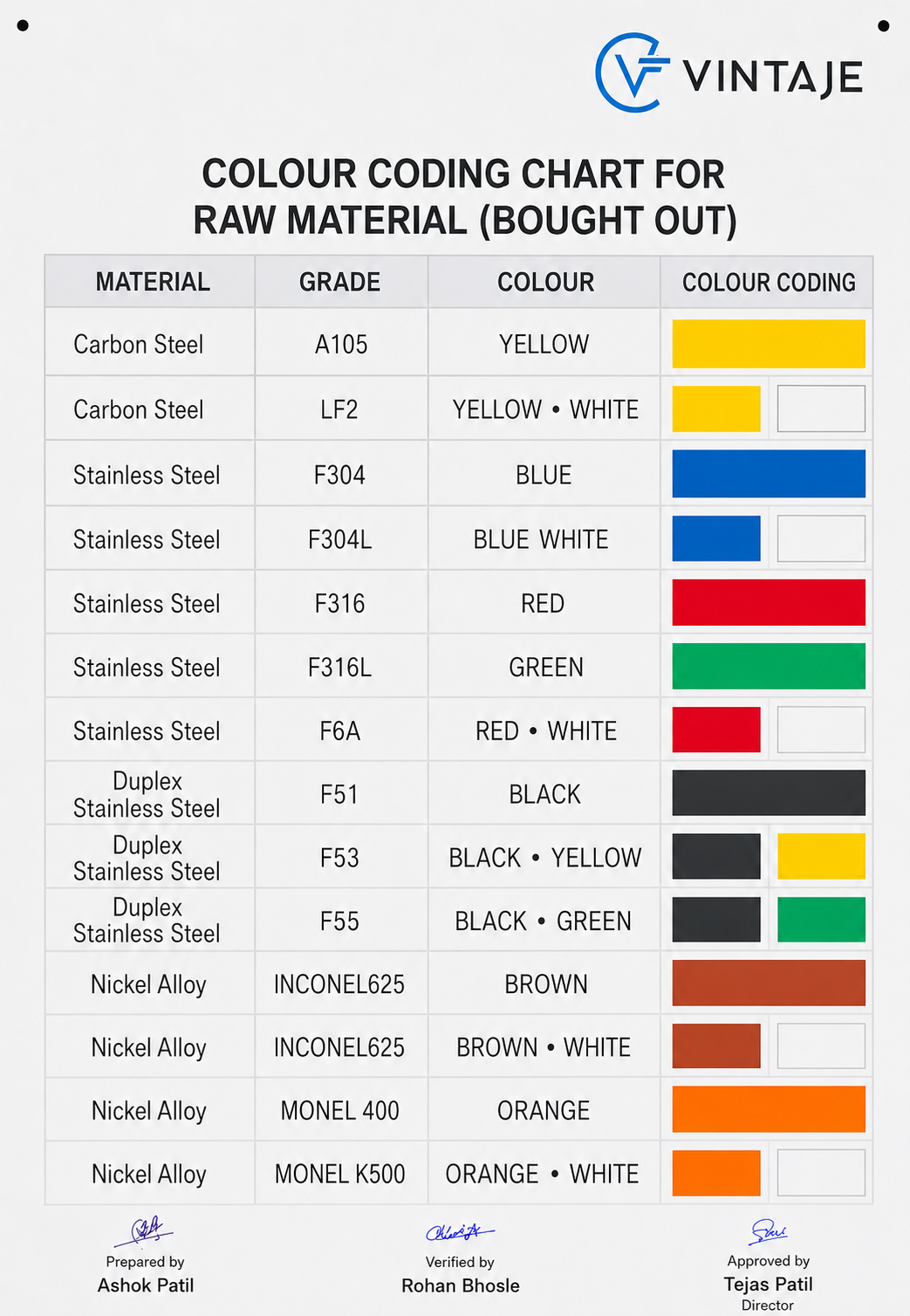
Carbon Steels Martensitic/Austenitics Duplex Nickel Alloys
GRADE NOME GRADE NOME GRADE GR NOME GRADE NOME
A105/A105N ASTM A105 17.4PH ASTM A564 4A/5A ASTM A995 Inconel 825/625 ASTM B564
F60 ASTM A694 F304/304L ASTM A182 F51 ASTM A182 Inconel 718 ASTM B564
LF2 CL1 ASTM A350 F316/316L ASTM A182 F53 ASTM A182 Monel K500/400 ASTM B637
LF3 ASTM A350 F6A CL2 ASTM A182 F55 ASTM A182 Hastealloy C276/C22 ASTM B564
2. THERMOPLASTICS

Advanced Engineering Thermoplastics

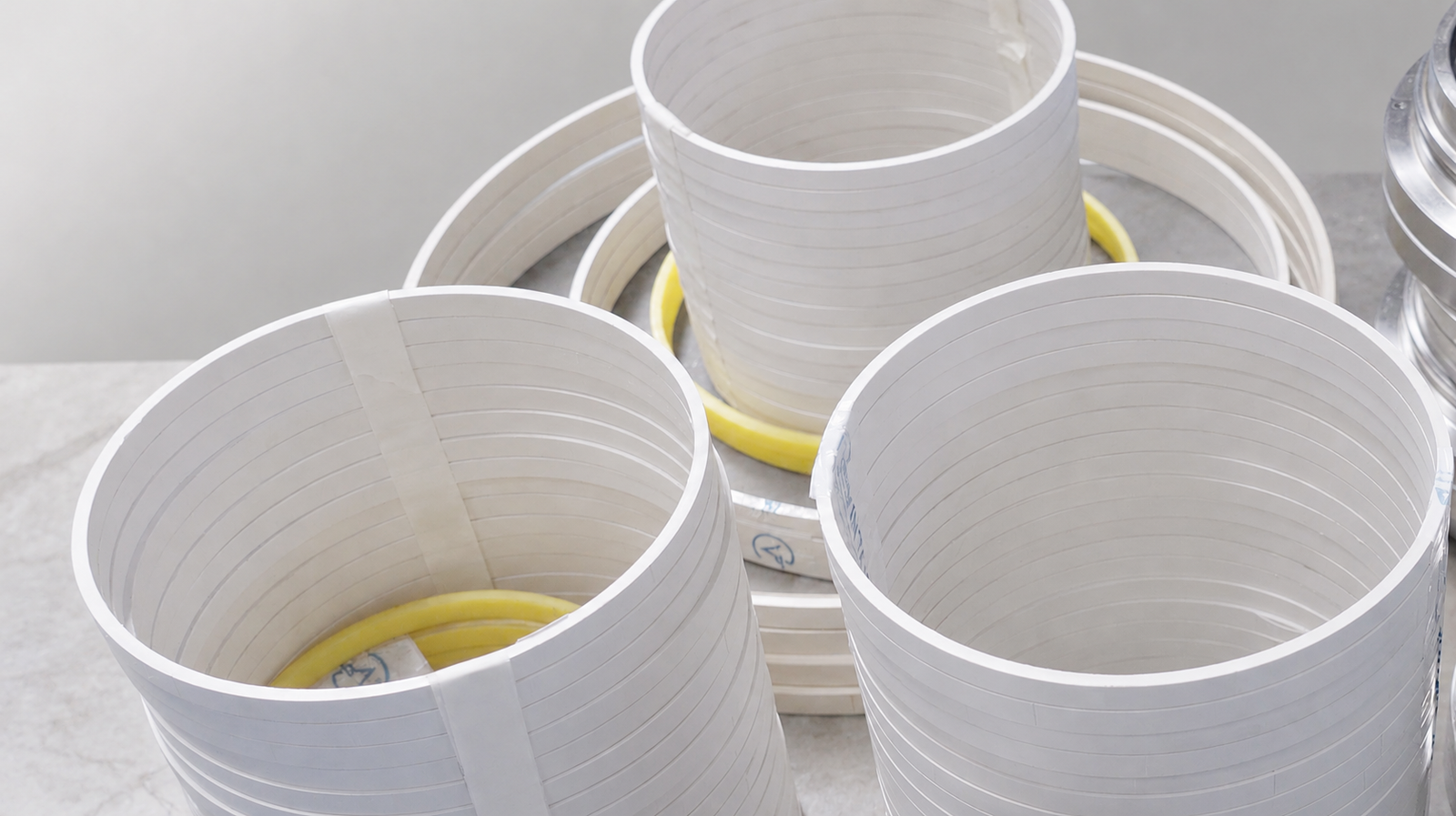
Thermoplastics play a vital role in applications requiring exceptional chemical resistance, low friction, lightweight construction, and dimensional stability. Vintaje Flow employs a wide range of high-performance engineering thermoplastics and fluoropolymers, including PTFE, PEEK, UHMWPE, Nylon, PFA, and other specialized materials, to manufacture components capable of withstanding aggressive media and challenging operating conditions. Carefully selected for their unique material properties, these thermoplastics enhance sealing performance, reduce wear, and provide long-lasting reliability in corrosive and high-purity process environments.
ENGINEERED PLASTIC
DEVLON V-API NYLON 6 - NYLON MOS2 PA12 (NYLON12) POM
TEMPERATURE SUITABLE(°C) -40 to 170 40 to 90 -40 to 130 -60 to 80 -50 to 85
PRESSURE SUITABLE(PSI) 150-2500 150-1500 150-1500 150-900 150-900
HARDNESS (Shore D) 78-80 78-80 79-82 60-67 94
TENSILE STRENGTH(MPa) 80 80 60 52 67
FLUOROPOLYMERS
PTFE RPTFE VIRGIN PEEK PEEK (PTFE FILLED) PCTFE
TEMPERATURE SUITABLE(°C) -100 to +100 -100 to +120 -100 to +260 -100 to +260 150- -250 to +150
PRESSURE SUITABLE(PSI) 150-300 150-600 150-2500 2500 150-1500
HARDNESS (Shore D) 55-60 58-65 85-90 90-95 75-80
TENSILE STRENGTH (MPa) 32 18 97 85 40
3. ENP

Industrial Electroless Nickel Plating

The surface treatment of nickel plating is widely used to protect steel from oxidation and to give high resistance to corrosion and wear.
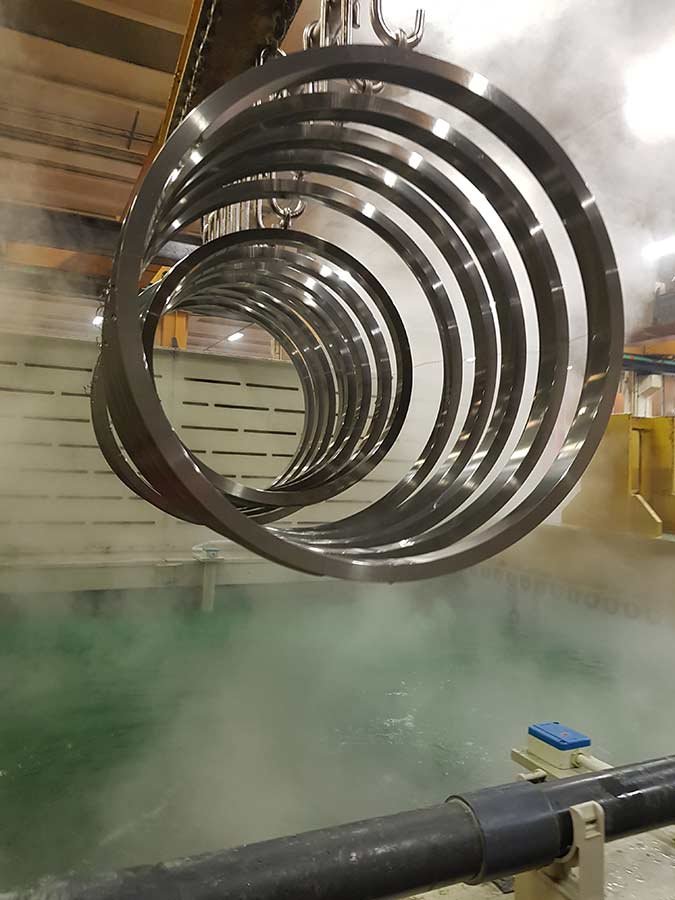
In the chemical nickel plating process (ENP) a phosphorus content 10 (properly called high phosphorus) is used.Deposition occurs by chemical reaction in order to obtain a uniform coating regardless of the geometry of the components to be treated. The components subjected to surface treatment of nickel plating are supplied with thicknesses of 25-30 microns, 50 microns, 75-80 microns, on request.With the high phosphorus chemical nickel plating, an average hardness of 500-600 Vickers is reached. The hardness increases when, after the nickel deposit, heat treatments are carried out at temperatures between 280 ° C and 400 ° C with permanence in the oven for pre-established times up to 800 - 1000 HV.Furthermore, after nickel plating it is advisable to carry out the dehydrogenation heat treatment in order to improve the adhesion of the nickel deposit. The certification includes basic controls (thickness test, hardness) and additional controls (metallographic section, alloy composition, salt spray, ferroxyl, bend test, etc.), if required. The ENP process is performed according to different standards such as ASTM B733, ASTM B571, ASTM B117, ASTM B689, ASTM B602, ISO 4527 etc.

4. TCC

HVOF Carbide Coating Specifications

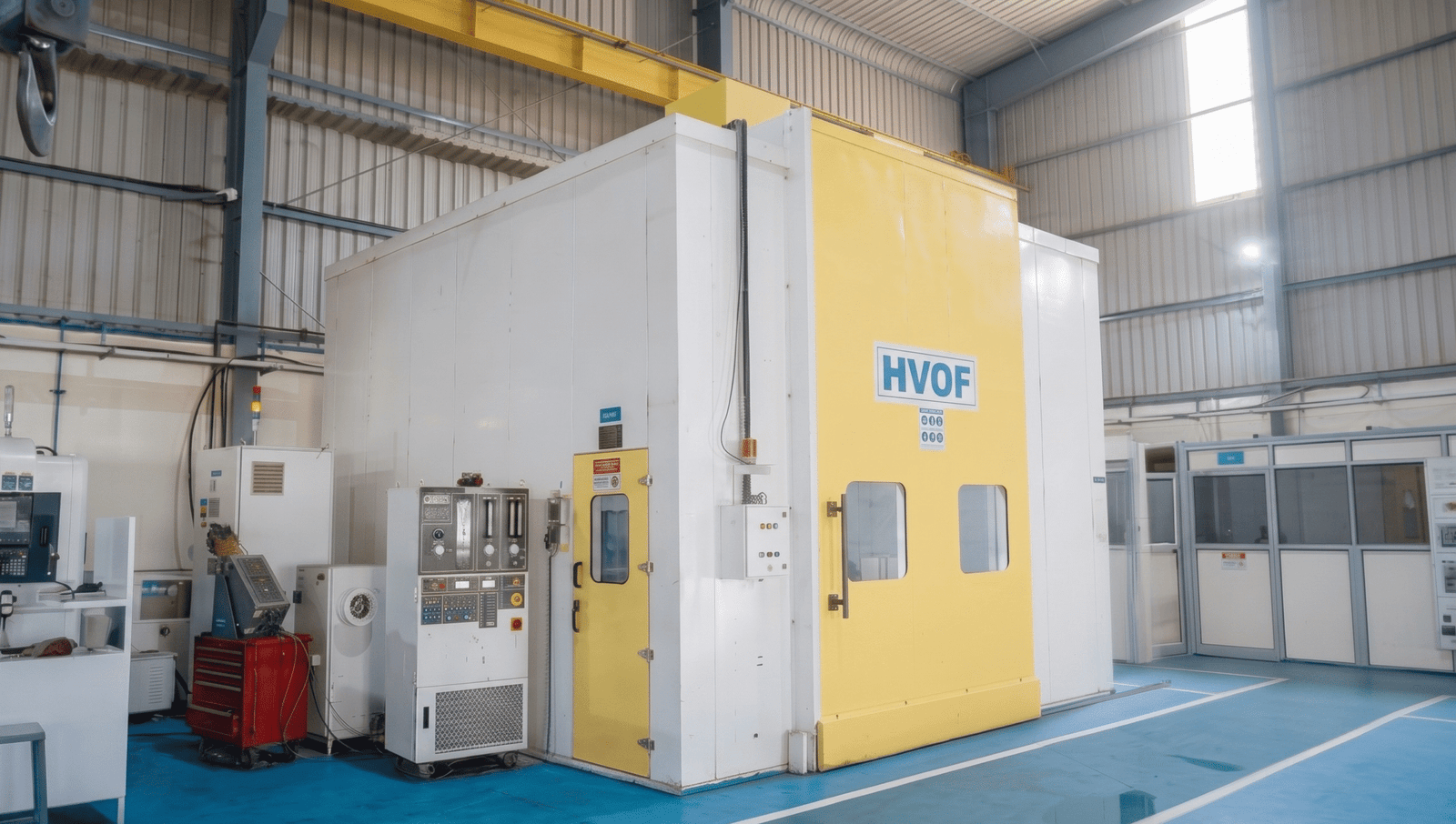
Coating with Tungsten Carbide, Chromium Carbide, Stellite is widely used for metal seal seats and balls.This coating takes place through the HVOF (HighVelocity Oxygen Fuel) process which, exploiting the high speed, projects the carbide particles into the sealing areas and allows to reach a high adhesion force, a hardness of 1400 HV and a low porosity. . The feasible thicknesses are mainly 150 µ, 200 µ, 400 µ, according to the use characteristics of the valves.After the coating, the seats and spheres are subjected to a grinding process of the treated areas until a high degree of finish (0.2) is obtained in order to reach the required degree of thickness, and then move on to adapt the seats with the ball by Lapping Process.